

More Than Just Finger Taping: Reducing Risk of Non-Traumatic Climbing Injuries
Introduction
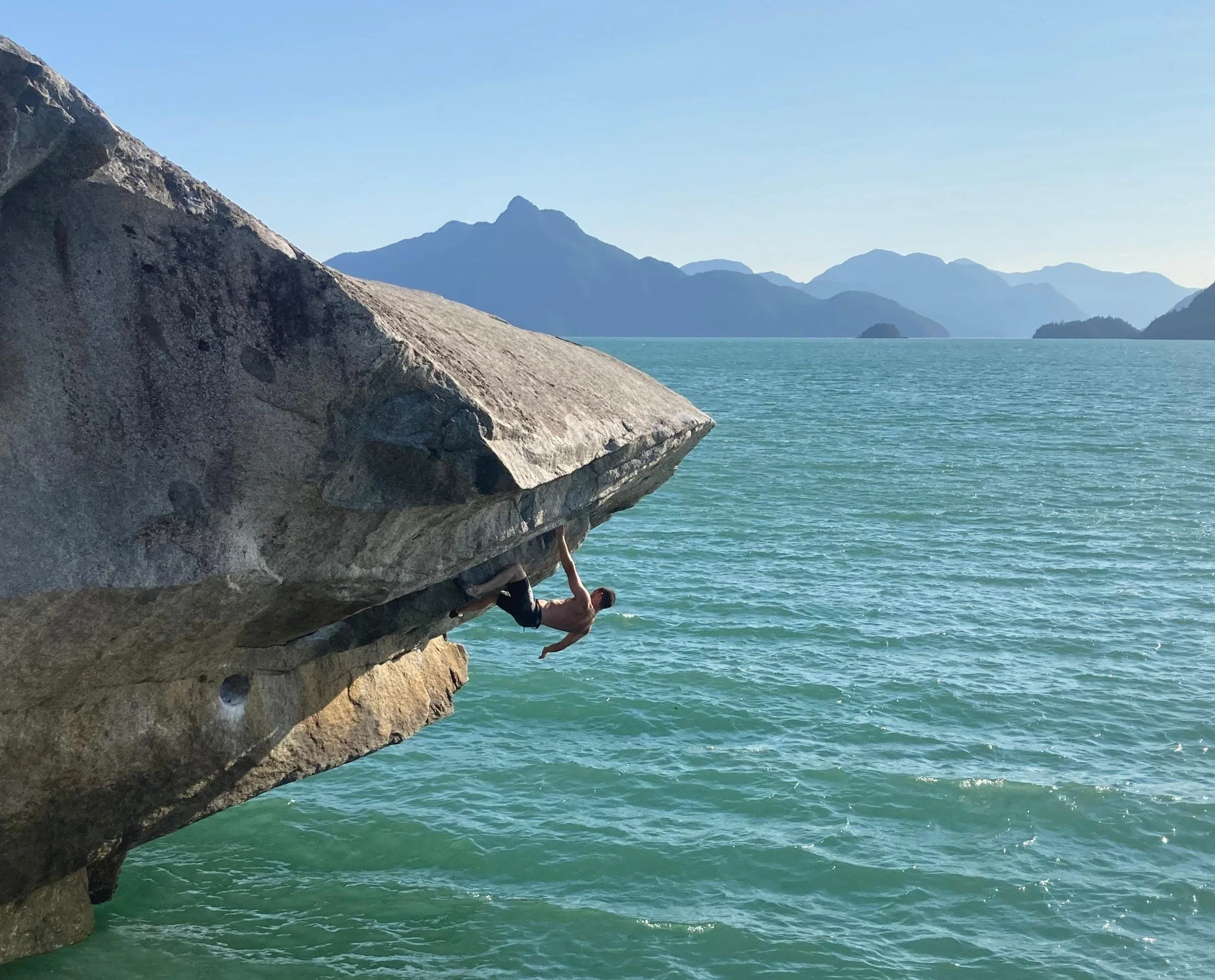
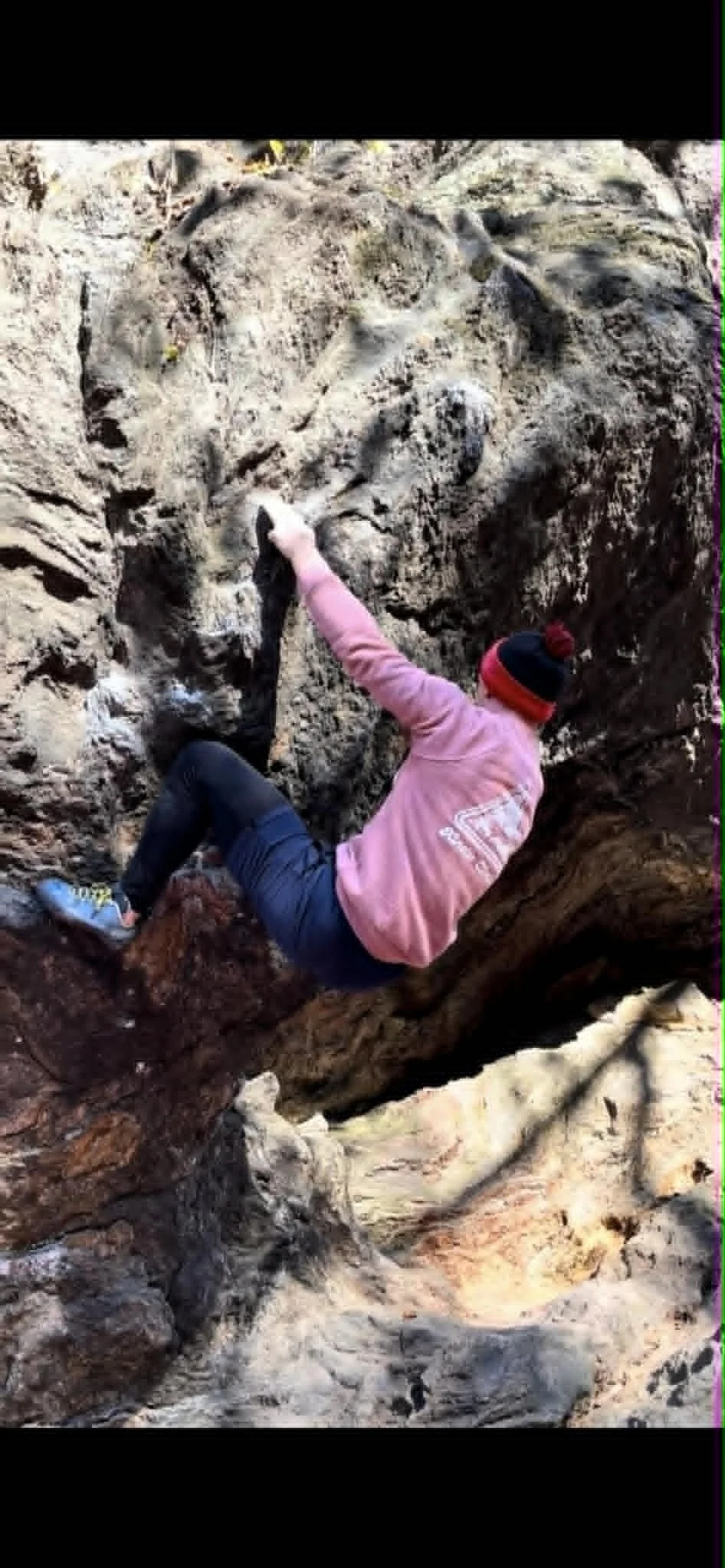
Rock climbing is a sport that combines adrenaline, problem-solving, and a strong sense of community. Its popularity has surged in recent years, especially with the rapid growth of indoor climbing gyms. Whether you're channeling Alex Honnold on El Capitan or heading to your local gym for a full-body workout, climbing offers a unique and rewarding challenge.
However, the demands of climbing place significant stress on the shoulders, wrists, and hands—making injury prevention essential. Proper preparation prevents poor performance; it helps reduce the risk of the nagging aches and overuse injuries that can sideline progress.
Warm-Up Principles
There’s no one-size-fits-all warm-up for climbing. The goal is to prepare your body based on the SAID principle (Specific Adaptations to Imposed Demands)—meaning your warm-up should reflect the demands of your session.
Aerobic Warm-UpStart by increasing overall blood flow and priming the nervous system. Light cardiovascular activity such as jumping jacks, jump rope, or jogging for 5–10 minutes is recommended to prepare the body for higher level activities.
Dynamic Warm-UpDynamic warmups involve moving into positions that mimic climbing. This involves sending blood flow to muscles that will be used in climbing and warming up specific positions that your body will be in.
Bodyweight squats, lunges, knee drops
Thoracic spine mobility exercises like World’s Greatest Stretch
Shoulder circles and controlled articular rotations (CARs)
Yoga-based movements (e.g., warrior poses)
Pullup bar dead hangs
Light finger board isometrics
The goal is to gradually expose your body to climbing-specific positions at a lower intensity.
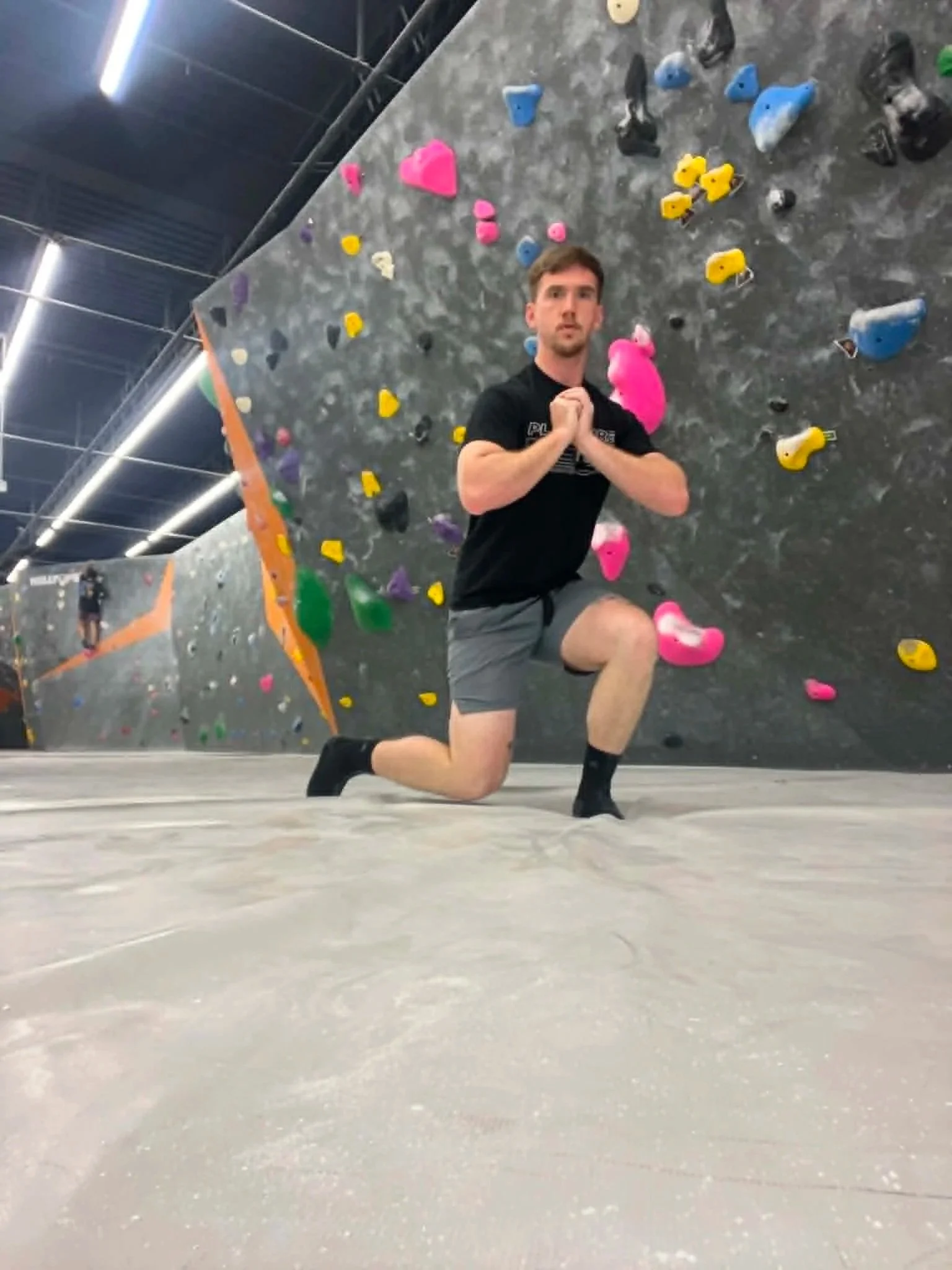
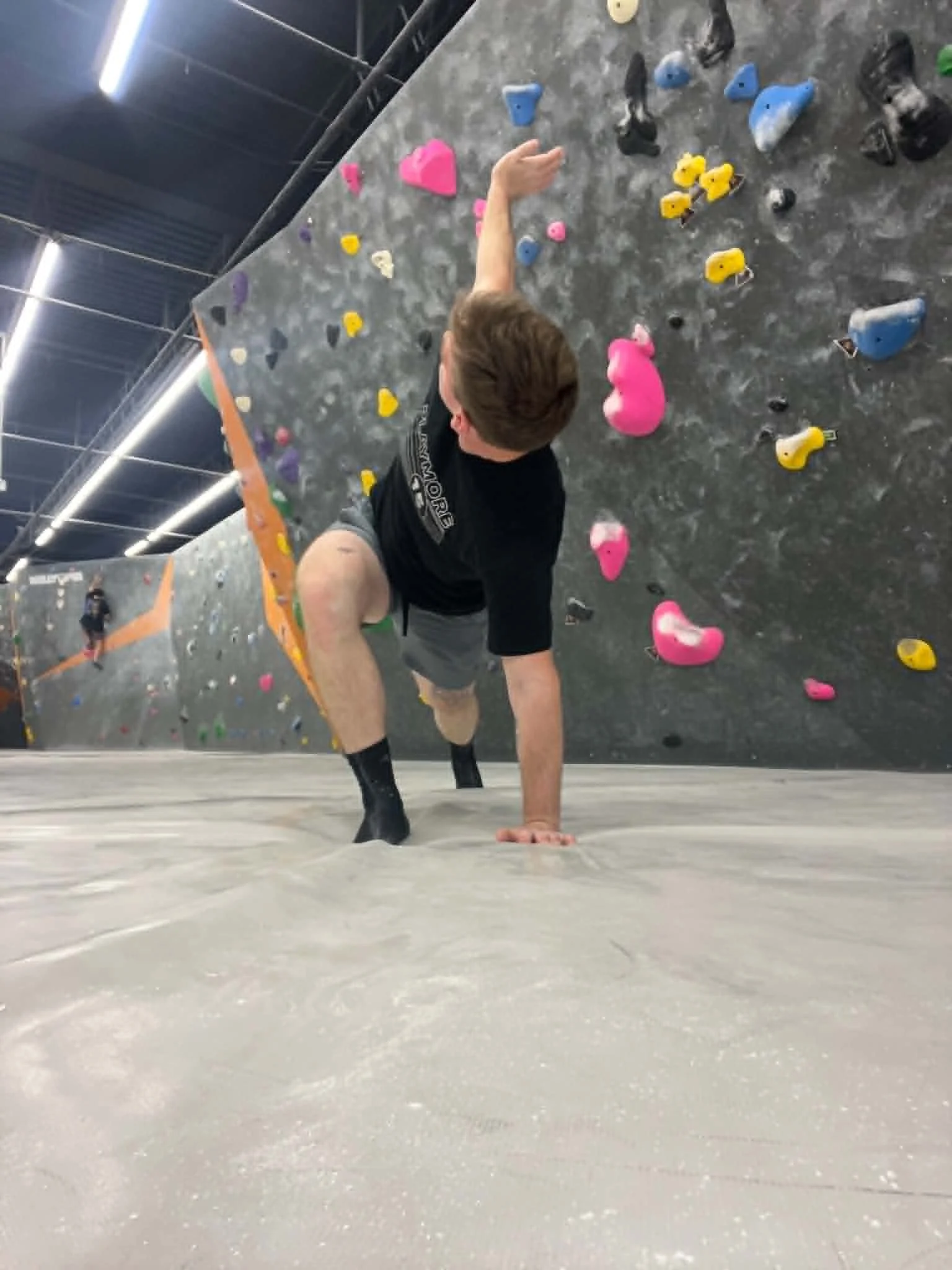
Drop knee lunge World’s Greatest Stretch
Nerve Mobility: An Overlooked Component
A commonly neglected aspect of climbing preparation is neural mobility, particularly in the forearm and wrist.
Climbing often involves:
Sustained gripping
Awkward, extended reaching positions
High-load, rapid upper extremity movements
Restricted neural mobility can contribute to increased tension, discomfort, and reduced performance. Incorporating gentle nerve gliding exercises can:
Improve tolerance to end-range positions
Enhance blood flow to neural structures
Reduce excessive tension in overworked forearm musculature
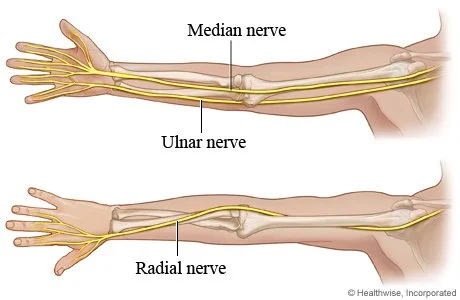
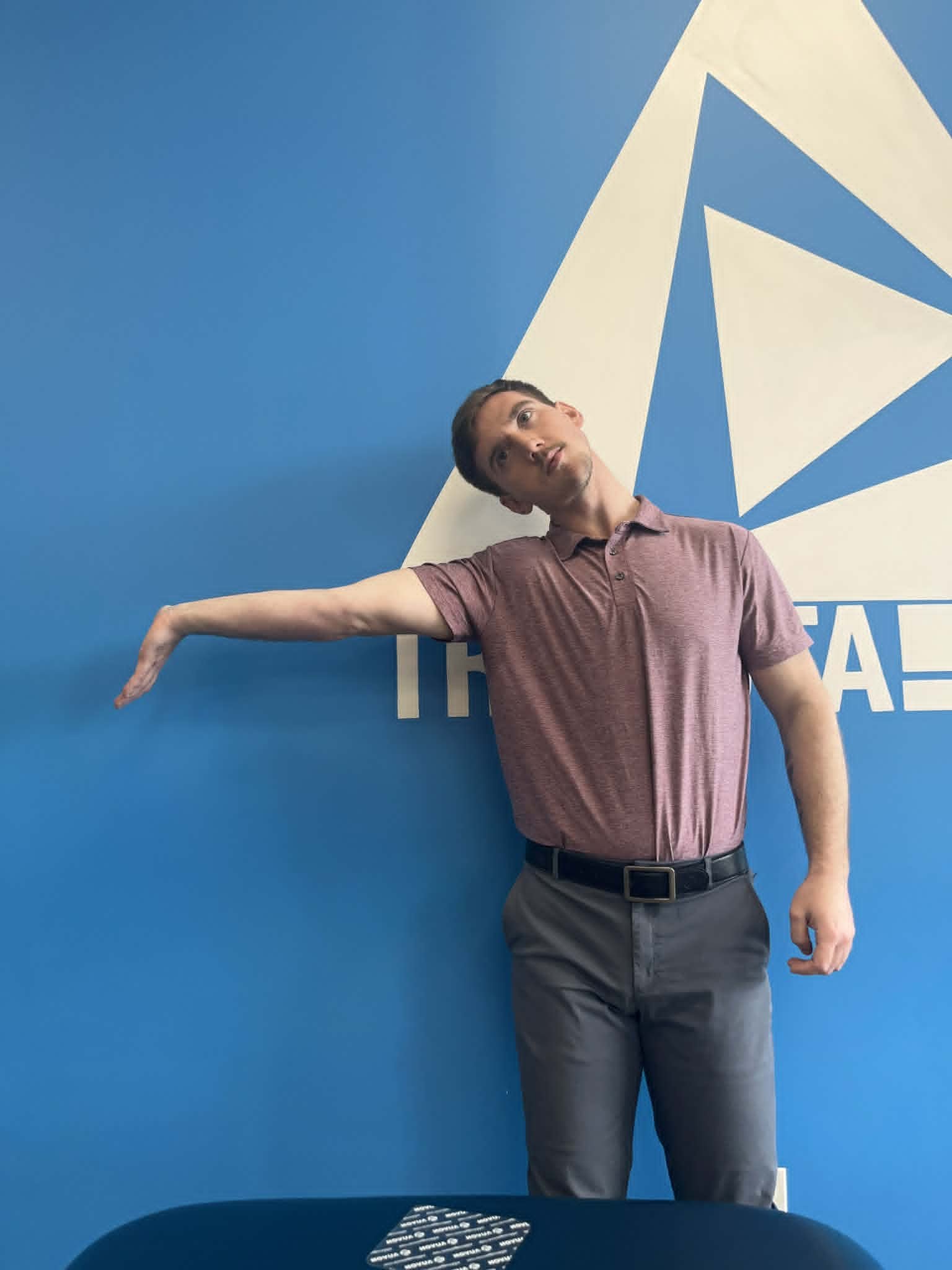
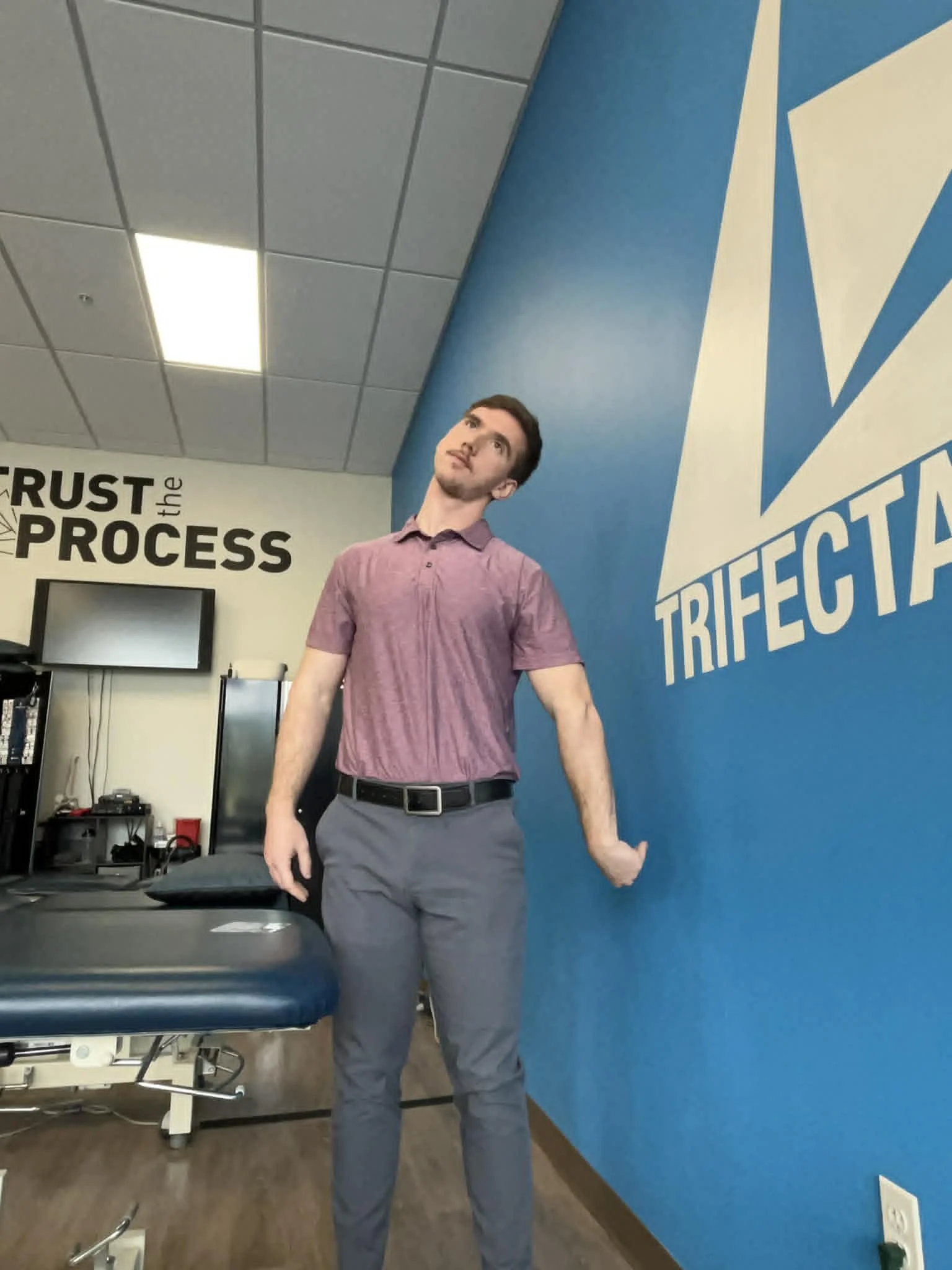
Median Nerve Floss Radial Nerve Floss
Getting Onto the Wall
Start easy—this is where many climbers go wrong.
Begin with lower-grade climbs that are several grades below your current level
Focus on slow, controlled movements to build consistent movement patterns
Emphasize coordination and technique over intensity
Build gradually toward harder problems. This isn’t just safer—it also improves movement efficiency.
Rest and Performance
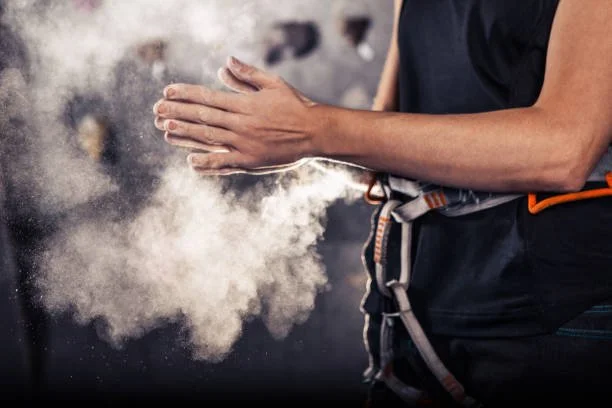
Climbing is neurologically and physically demanding, so rest matters more than most gym workouts.
Bouldering guideline: Aim for at least a 1:5 work-to-rest ratio
Example: 30 seconds climbing → 2.5 minutes rest minimum
Longer rest allows for better power output and reduces injury risk
Incorporate Active Recovery:
Light movement (walking, mobility drills)
Analyzing beta (your approach to the climb)
Mental rehearsal: strategize how you will be more efficient on the wall
Cooldown:
Following a rigorous climbing session, it is important to implement light mobility exercises to improve the transition to a resting state and promote blood flow back to the rest of the body.
Moving the body through full range of motion and performing light forearm stretches can help maintain mobility following vigorous exercise.
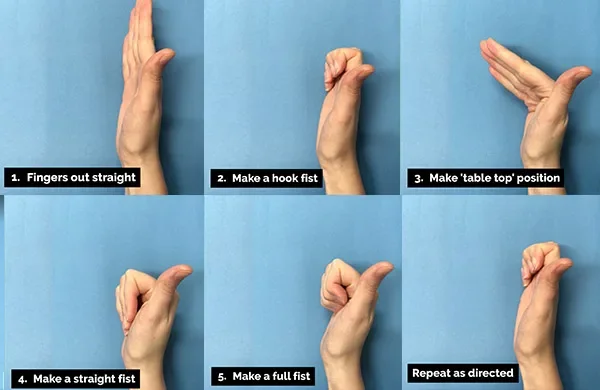
Tendon gliding: the finger flexors undergo a lot of stress from climbing, so moving the hand in ways that can glide the flexor tendons will help maintain mobility and reduce potential finger swelling.
Avoiding Overtraining
It’s easy to get fixated on sending a problem, but excessive attempts without adequate recovery can lead to overuse injuries—especially in the fingers, elbows, and shoulders.
Know when it is time to end a session
Many climbers will continue to push through pain but it is essential to respect an injury you are recovering from and gradually build tolerance over time to ensure you do not worsen an overuse injury.
If you begin to experience persistent pain with grabbing objects, swelling in the fingers, and trouble with everyday mobility tasks, an evaluation with a physical therapist can help to determine the cause and develop a plan to improve full return to climbing.
Common overuse injuries:
Finger: A2 and A4 pulley strain/rupture can occur from crimp positioning with rapid demand of finger flexors (ie. slipping off a foothold while crimping)
Wrist: TFCC (triangular fibrocartilage complex) from sloper positions with the wrist flexed and quick radial deviation
Elbow: Medial epicondylitis (climber’s elbow) resulting from overuse of wrist flexor tendons to the elbow
Shoulder: Rotator cuff injuries from awkward reaching, high effort pulling, slipping from a foothold causing rapid stretch on the shoulder
Shoulder impingement (Subacromial Pain Syndrome): from excessive overhead reaching and inflammation of rotator cuff tendons.
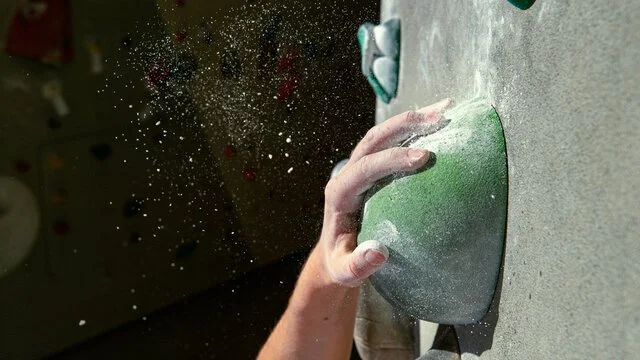
Sloper Hand Position
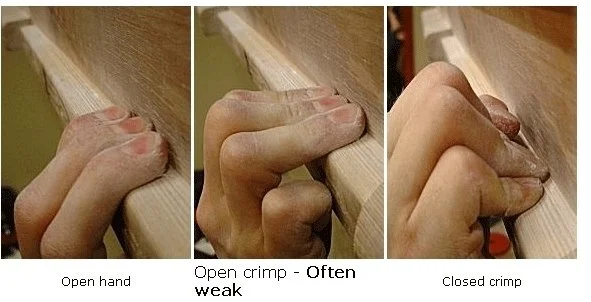
Crimp Variations
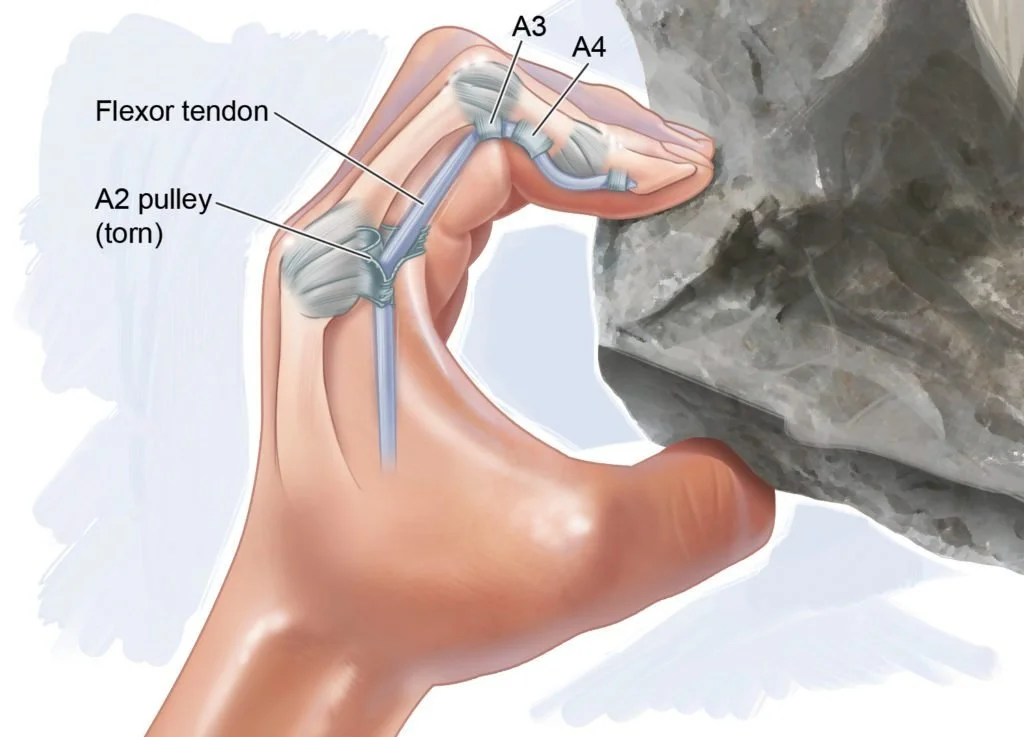
A2 and A4 pulley strains and ruptures are the most common finger injuries in rock climbing
Rehab approach uses initial offloading strategy with taping
Progressions of managing pulley strains involve light loading with emphasis on no pain above 3/10 utilizing light climbing progressions.
“Projecting” should be strategic:
Limit high-effort attempts
Stop before fatigue significantly alters your technique
Recognize when your body needs rest: Most injuries tend to happen end of session
Recovery Matters
Training breaks tissue down—recovery builds it back stronger.
Optimize Sleep
Aim for at least 7 hours per night to support muscle and tendon repair as your body recovers most during sleep.
Training Frequency
Beginners: 1–2 sessions per week, Appropriately scale sessions as you improve while controlling overall volume.
Allow at least 48 hours between sessions to avoid overuse injuries
Off-Day Optimization
Aerobic exercise: ACSM guideline recommends 30 min/day 5 days/week of moderate intensity aerobic exercise.
Full-body mobility work (focus on thoracic spine, hips, shoulders, elbows, wrists)
What Can Physical Therapy Do for Climbers?
Physical therapy offers:
Targeted strength and mobility programs to prevent injuries
Manual therapy to address restrictions and pain and keep you climbing longer
Movement analysis to improve efficiency and identify muscle imbalances
A full-body approach ensures not just recovery—but improved performance on the wall.
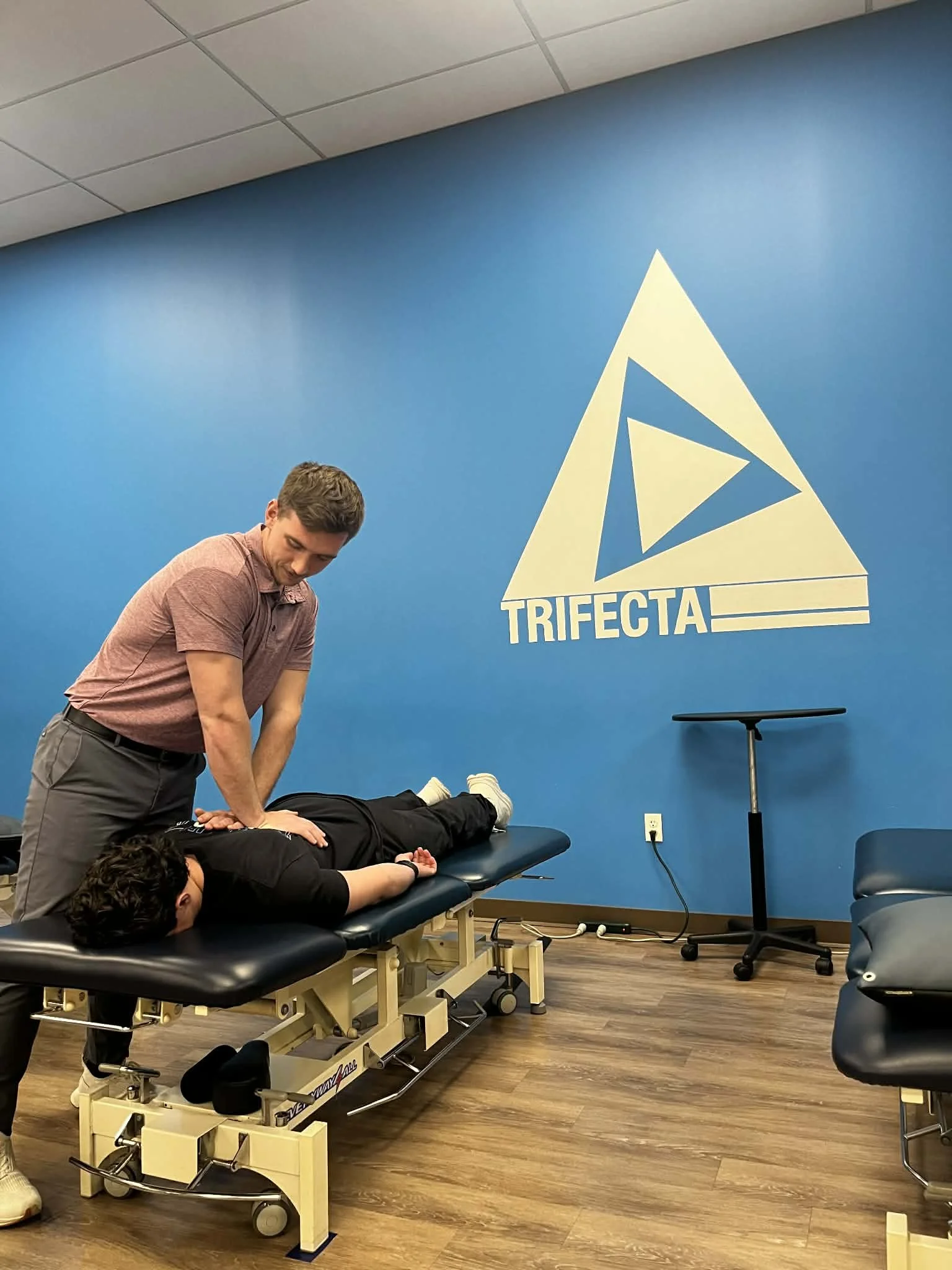
Manual Therapy
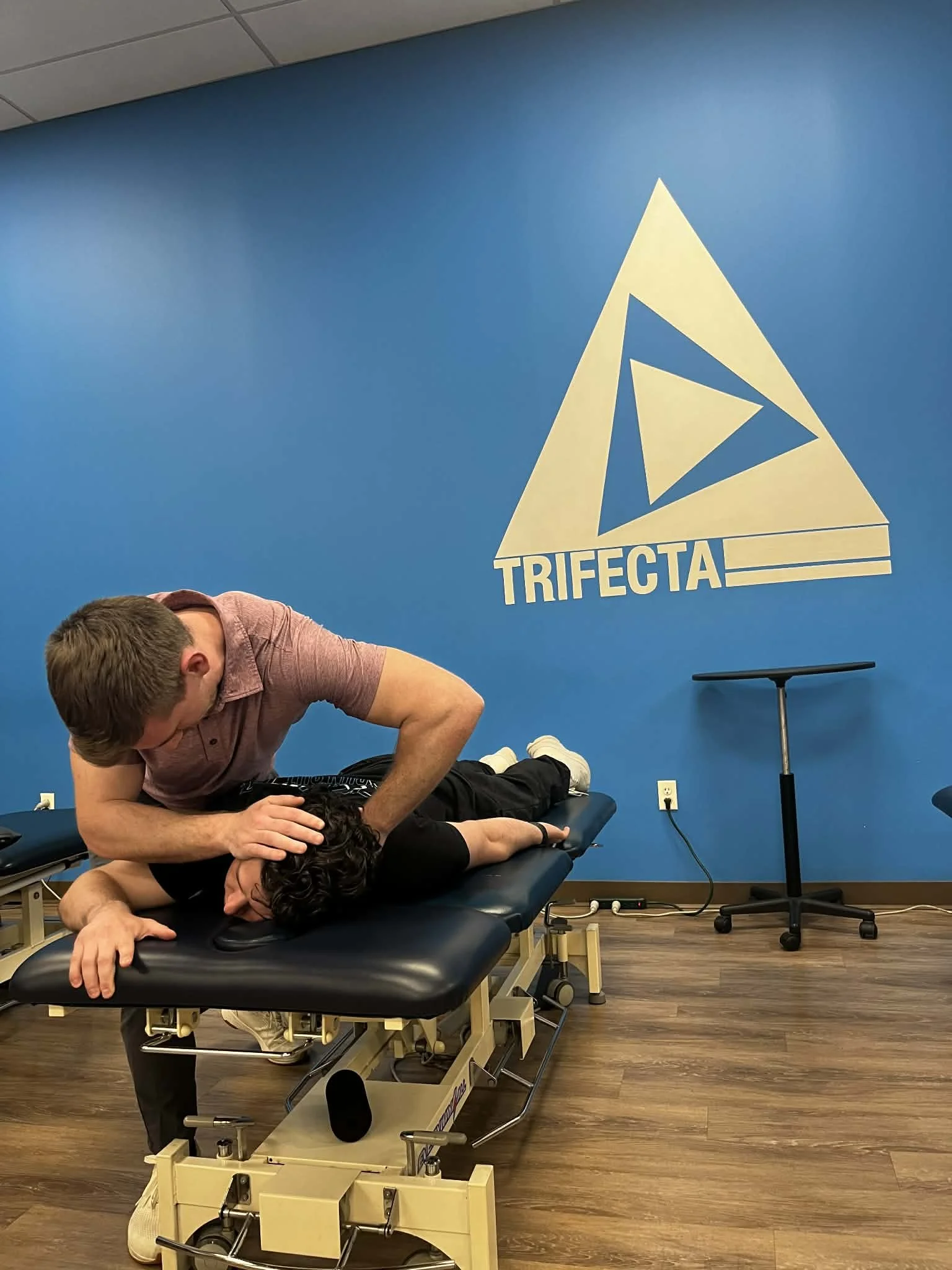
Hands on skills to promote recovery, restore mobility in joints, and de-sensitize painful areas to allow for pain free movement
Physical therapists are able to apply techniques such as joint mobilizations, manipulations, soft tissue massage, cupping, and dry needling. With the addition of targeted exercise, can significantly improve pain levels and functional ability.
Final Thoughts
Climbing injuries are often not the result of a single event, but the accumulation of stress over time. By prioritizing warm-ups, managing load, and respecting recovery, climbers can stay healthy and continue progressing.
If you’re dealing with persistent pain, mobility restrictions, or recurring injuries, working with a qualified provider—such as Trifecta Therapeutics—can help you build a personalized plan and keep you climbing better and longer!
Written by Kyle Keith PT, DPT

Resources:
Afonso, J., Brito, J., Abade, E., Rendeiro-Pinho, G., Baptista, I., Figueiredo, P., & Nakamura, F. Y. (2024, January). Revisiting the “whys” and “hows” of the warm-up: Are we asking the right questions? Sports medicine (Auckland, N.Z.). https://pmc.ncbi.nlm.nih.gov/articles/PMC10798919/
Finger, hand and wrist injuries in climbers: Insights from climber and provider surveys | BMJ open sport & exercise medicine. (n.d.-a). https://bmjopensem.bmj.com/content/12/2/e003239
Han, H.-P., Yang, P.-S., Lee, C.-L., & Chang, N.-J. (2025, March 1). Comparing the effectiveness of 10-minute dynamic stretching, vibration rolling, and climbing-specific warm-ups on exercise performances in rock climbers. Journal of sports science & medicine. https://pmc.ncbi.nlm.nih.gov/articles/PMC11877290/
Ingerson, E. (2026, January 13). Adverse neural tension in climbers: Median, Ulnar, Radial & Sciatic Nerve Pain explained. Rock Rehab. https://rockrehab.co/blog/adverse-neural-tension-a-sneaky-but-common-cause-of-pain-for-rock-climbers
Sousa, C. A., Zourdos, M. C., Storey, A. G., & Helms, E. R. (2024, April 15). The importance of recovery in resistance training microcycle construction. Journal of human kinetics. https://pmc.ncbi.nlm.nih.gov/articles/PMC11057610/